В современном сетевом дизайне кольцевые топологии (например, развертывания на основе ERPS) широко используются для обеспечения быстрого перехода на неисправность и избыточности пути.
Однако наличие кольцевой архитектуры не исключает всех рисков отказов, особенно связанных с отказами на уровне узлов и потерями питания.
Вопрос не в том, достаточно ли кольца, а скорее:
От каких неисправностей действительно защищает кольцо и от чего оно не защищает?
1. Ошибки адресов кольцевых сетей, а не узлов
Протоколы кольца предназначены для:
- Выявление сбоев ссылки
- Пересчитайте пути перенаправления
- Восстановить соединение в течение определенного времени конвергенции

Это хорошо работает для:
- Обрезки волокна
- Неисправности порта
- Перерывы одной связи
Однако в реальных развертываниях большая часть сбоев связана не с ссылкой, а с устройством, например:
- Потеря питания переключателя
- Неисправность оборудования
- Сбой программного обеспечения
В этих случаях:
- Сам узел становится точкой разрыва
- Движение не может пройти физически.
- Восстановление полностью зависит от конвергенции протокола.
2Когда восстановление кольца становится недостаточным?
2.1 Время ненулевой конвергенции
Даже восстановление менее 50 мс вводит:
- Потеря кадра видео
- Прерывание управления сигналом
- Временная нестабильность службы
В средах, требующих непрерывного потока данных:
- Промышленная автоматизация
- Мониторинг в реальном времени
- Агрегация видео с высокой нагрузкой
Такое прерывание часто неприемлемо.
2.2 Сценарии потери питания
Когда переключатель теряет питание:
- Это больше не часть кольца.
- Передача полностью останавливается на этом узле.
Сеть должна:
Выявление сбоев
- Перестроить топологию
- В течение этого окна:
- Движение прервано.
В некоторых топологиях могут быть затронуты несколько сегментов
2.3 Неидеальные топологии в реальных проектах
Полевые развертывания редко следуют идеальным кольцевым структурам:
- Линейные цепочки (сети видеонаблюдения)
- Тангентные или пересекающиеся кольца
- Гибридные топологии с частичной избыточностью
В этих случаях:
- Неисправность одного узла может нарушить несколько сегментов
- Кольцевые протоколы могут не восстановить связь полностью, как ожидалось.
2.4 Смешанные среды (управляемые + неуправляемые устройства)
Не все развертывания полностью управляются:
- Проекты, основанные на затратах, часто включают неконтролируемые переключатели
- Прежнее оборудование может не поддерживать протоколы кольца
Это создает слепые точки, где:
- Взыскание на основе протокола не применяется
- Ошибки распространяются без защиты
3Что оптический байпас действительно решает?
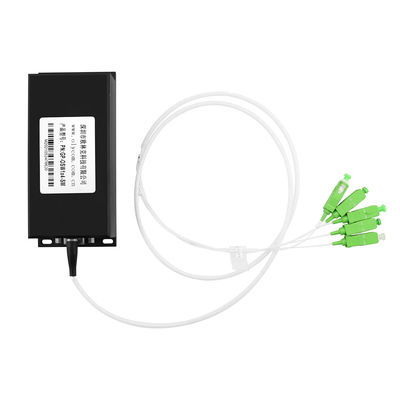
- Что?модуль оптического обходаработает на физическом уровне, обеспечивая:
- Непрерывность трафика даже при отключении узла
- Отсутствие зависимости от конвергенции протокола
- Немедленное восстановление связи (время переключения почти нулевое)
Он непосредственно касается:
- Неудача узла
- Потеря мощности
- Зависимость устройства в линейном режиме
4Когда оптический байпас становится необходимым?
- Что?оптический байпасный переключательне требуется при каждом развертывании кольца, но становится критическим при следующих условиях:
4.1 Критически важные сети
Транспортные системы
Энергетика и коммунальные услуги
Промышленный контроль
Требование:
Никаких видимых перерывов
Детерминистическое поведение при сбоях
4.2 Обстановки с ограниченной мощностью
Нет избыточного источника питания
Дистанционные или наружные установки
Риск:
Отключение узла = физическое отключение
4.3 Нестандартные топологии
Цепные или гибридные конструкции
Многокольцевые пересечения
Риск:
Влияние неисправности распространяется за пределы одного сегмента
4.4 Агрегация видео или данных высокой плотности
Обеспечение контроля
Крайние вычислительные узлы
Риск:
Даже краткое прерывание приводит к потере данных или нестабильности
5Объединенная архитектура: кольцо + обход
При совместном использовании:
Кольцевые протоколы обеспечивают перенаправление на сетевом уровнепока oПтический байпас обеспечивает непрерывность на уровне устройства
Это создает двухслойную модель защиты:
|
Склад
|
Функция
|
|
Сетевой уровень
|
Восстановление пути (протокол кольца)
|
|
Физический слой
|
Непрерывность связи (байпас)
|
6Практические результаты
По сравнению с использованием только кольца, добавление оптического обхода приводит к:
- Уменьшение или устранение прерывания трафика во время сбоя узла
- Защита от сценариев отключения
- Улучшенная устойчивость в неидеальных топологиях
- Более широкая совместимость в смешанных средах устройств
Заключение
Управляемая кольцевая сеть значительно улучшает устойчивость, но она не полностью устраняет физическое отключение, вызванное неисправностью узла.
Оптический обходный переключатель дополняет кольцо, обеспечивая непрерывный поток данных независимо от состояния устройства, особенно в случае потери питания или сбоя оборудования.
Кольцо обеспечивает выздоровление, обход обеспечивает непрерывность.
При проектировании сетей высокой доступности оба механизма выполняют различные и взаимодополняющие функции.


 Ваше сообщение должно содержать от 20 до 3000 символов!